MEME FIELD NOTES
AI Gender Swap
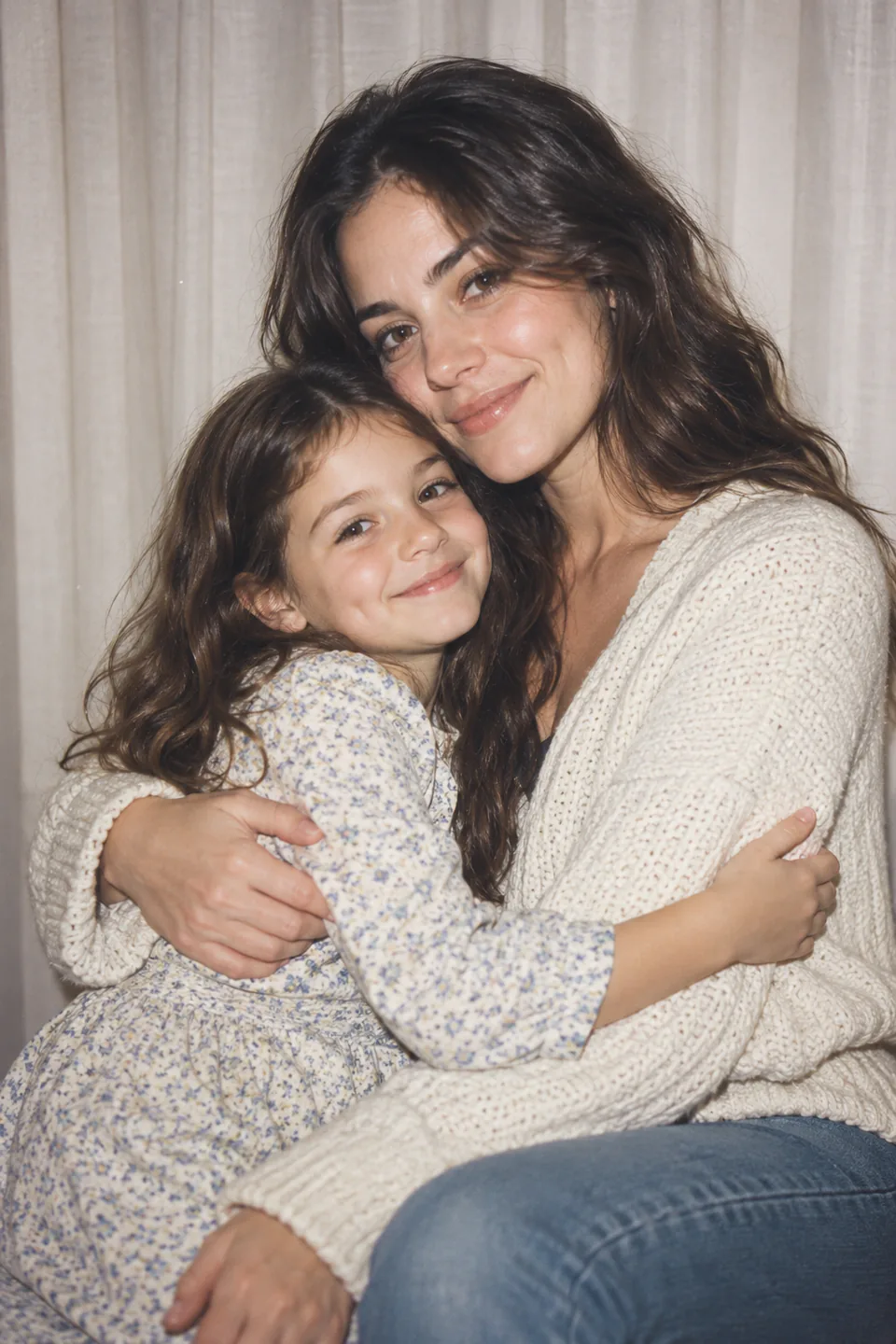
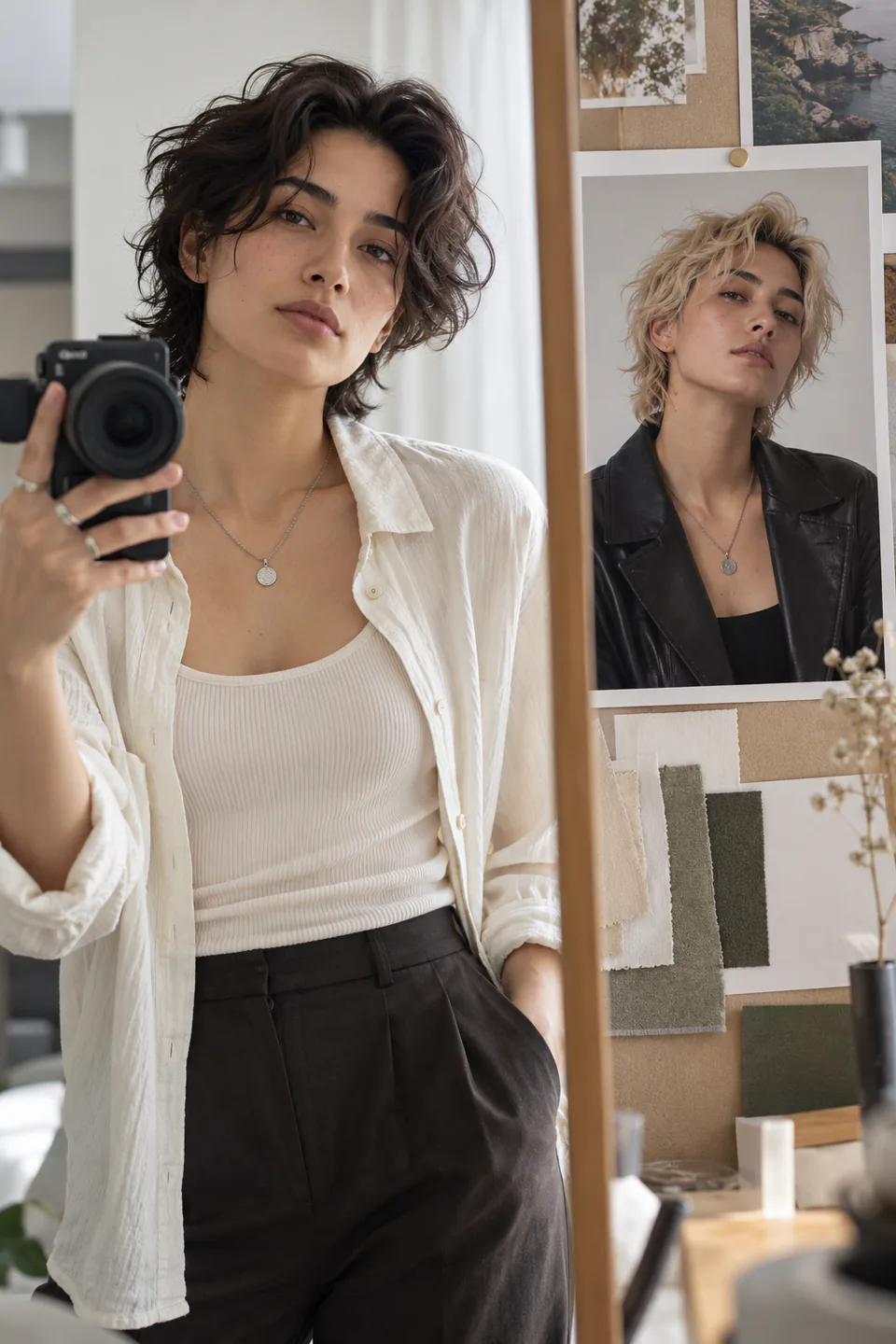
A familiar face is restyled into an imagined alternate portrait, continuing a filter trend that surged in 2019.
Also known as: gender swap filter · Snapchat gender change filter · born as a girl trend
TL;DR
AI Gender Swap is a before-and-after portrait format that restyles a person into an imagined masculine, feminine or otherwise alternate presentation while trying to preserve their identity. The mass-market wave began with Snapchat’s gender-change lenses in May 2019. Newer image generators produce more detailed hair, wardrobe and setting changes from still photos. The result is a visual experiment, not a statement about somebody’s actual gender, and it should use the subject’s own image or clear permission.
What does AI Gender Swap mean?
An AI Gender Swap post asks a visual “what if?” The joke or curiosity comes from recognizing the same eyes, expression and face shape under different styling cues. Most posts show the source beside the result, allowing friends to compare resemblance, family traits or an invented sibling.
The phrase “gender swap” is imprecise. A filter changes appearance, not a person’s identity, biology or lived experience. Hair length, makeup, facial hair and clothing are cultural signals rather than proof of gender. Respectful captions describe the output as an alternate look instead of announcing what another person “would really be.”
For transgender and gender-nonconforming users, the same technology can feel exploratory or uncomfortable depending on context. Consent and control matter more than the novelty. Nobody should be turned into a public before-and-after joke without permission.
Why did AI Gender Swap spread?
Snapchat made the transformation immediate and easy to share. In 2019, people could switch between two lenses, record the live result and send it directly to friends. Celebrities and fan communities joined, creating side-by-side comparisons that moved beyond Snapchat.
The output often resembles a sibling or parent, which supplies an additional social hook. Families compare inherited features; friends choose fictional names; group chats rank which result feels most recognizable. The conversation continues after the image itself is understood.
Generative image tools revived the format by offering higher-resolution portraits and controlled wardrobe or setting changes. Those improvements also raised the stakes: a polished synthetic photo is easier to detach from its label and misuse as a real person.
Models also inherit assumptions from their training images. They may lighten skin, narrow a face, change age or replace cultural clothing while attempting to alter presentation. Those shifts are not required by the prompt and should be treated as errors rather than evidence about how somebody “should” look. Comparing the result with the source at full size helps catch them. A useful caption can mention the styling choices the creator actually requested, which makes the experiment more transparent and keeps the person—not the model’s stereotypes—at the center. Deleting a result is a valid outcome when the transformation no longer resembles the consenting subject. Novelty never overrides permission, personal context or human dignity.
Where did AI Gender Swap come from?
Face-changing applications existed well before 2019, but Snapchat’s paired gender-change lenses produced the first enormous mainstream sharing wave. Coverage and search activity surged in May 2019 as users posted male and female-presenting versions of themselves and public figures.
The lenses relied on a narrow set of visual conventions, often adding long hair and smoother skin to one option and facial hair or a broader jaw to the other. Criticism pointed out that these assumptions reduced gender to stereotypes even while many users treated the effect as casual entertainment.
Later AI portrait systems made the changes more elaborate and less tied to a live camera. The name AI Gender Swap now covers several technically different effects, from simple facial filters to fully regenerated portraits.
AI Gender Swap timeline
- May 2019Snapchat’s gender-change lenses trigger a large global sharing wave.
- 2019–2020Celebrity comparisons, invented-sibling jokes and group challenges spread to other platforms.
- 2023 onwardGenerative portrait tools add new hair, clothing, bodies and backgrounds rather than changing only the face.
- 2026High-detail portrait and short transformation-video versions renew interest in the format.
Popular versions of AI Gender Swap
Side-by-side alternate portrait
The original and synthetic result appear together so viewers can compare identity-preserving features.
Imagined sibling
The new portrait is framed as a fictional brother, sister or cousin rather than a claim about the subject’s identity.
Friend-group set
Each participant uses their own consenting photo and the group compares results in one carousel.
How to join and post AI Gender Swap
- 1Use your own portrait or obtain explicit permission, and do not process a stranger, child or public figure for ridicule.
- 2Describe the image as an AI-styled alternate portrait rather than a prediction or statement about someone’s real identity.
- 3Keep the source and result together, add an AI label and remove embedded metadata or private background details before posting.
- 4Stop if the subject dislikes the result; consent to taking a photo is not automatic consent to a synthetic transformation.
Sources and further reading
Questions about AI Gender Swap
What is AI Gender Swap?
It is a filter or generated portrait that restyles a familiar face into an imagined alternate gender presentation.
When did the trend first become huge?
Snapchat’s gender-change lenses drove a major global wave in May 2019.
Does the result show someone’s real gender?
No. It changes visual cues according to a model and cannot determine identity or biology.
Why can the effect feel stereotyped?
Many filters rely on simplified cues such as hair, makeup, facial hair and jaw shape to signal gender.
Can I use another person’s photo?
Only with clear permission for the transformation and for any public posting of the result.