MEME FIELD NOTES
AI Halloween Costume Trend
One portrait becomes a polished costume reveal, from theatrical witches to invented autumn characters.
Also known as: AI costume trend · AI Halloween photos · AI Ghostface trend
TL;DR
The AI Halloween Costume Trend turns an ordinary portrait into a staged Halloween photograph or a short transformation clip. The broad format grew from earlier phone filters and the 2025 wave of AI Ghostface bedroom portraits, then widened into witches, vampires, pumpkin-lit couples and original fantasy costumes. Some people use the output as a mood board before buying anything; others post it as the finished seasonal image. Because realistic synthetic photos can be mistaken for an actual costume shoot, the best versions say plainly that they were made with AI.
Made with this generator
Concept example generated for layout preview. It is not an actual SurgeMeme result.
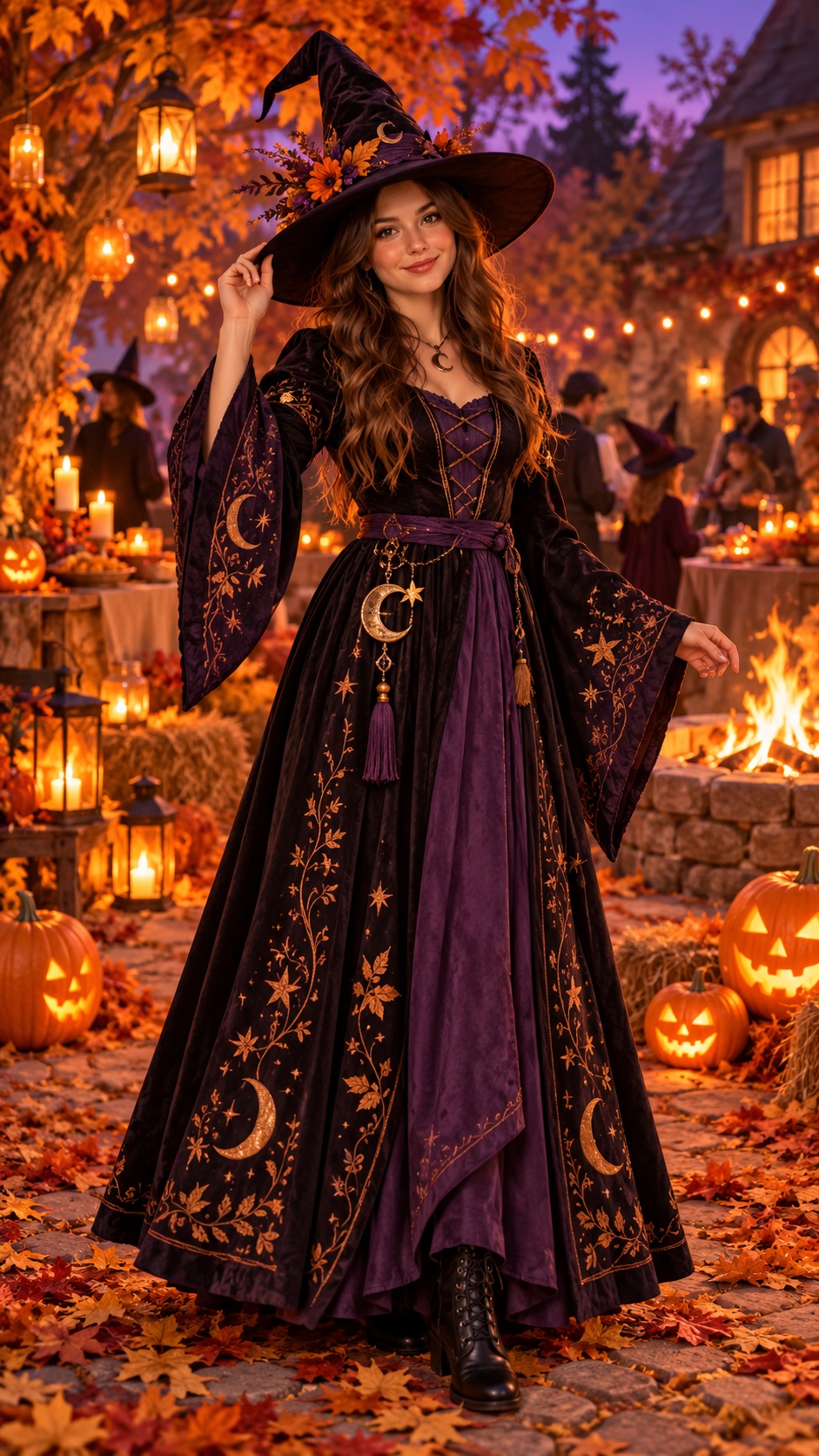
How do I make AI Halloween Costume Trend?
- Photos
- Upload one clear photo of one person
- Output
- Image · vertical 9:16 · 5 credits
- Video · 12 seconds · vertical 9:16 · 720p · 10 credits
- You choose
- Choose one of seven costume looks, then choose image or video.
- Fixed
- The selected look sets the costume, lighting and matching scene.
- Every option uses an original, family-friendly costume design.
You get
A portrait or 12-second reveal video in your chosen original Halloween look.
Not included
No film, game, celebrity or branded characters.
5 credits
Timing varies with review and generation
What does AI Halloween Costume Trend mean?
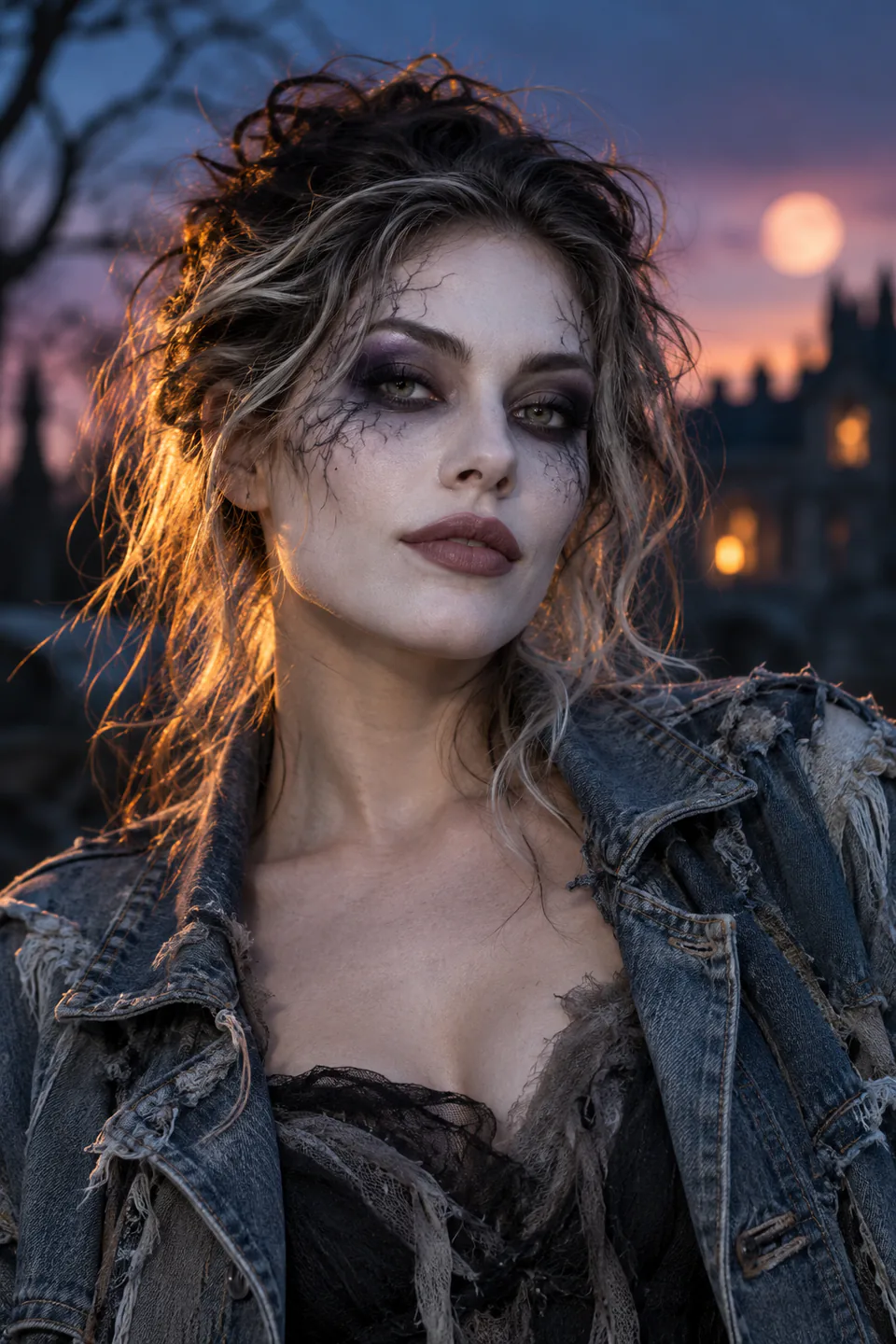
At its simplest, the AI Halloween Costume Trend is a virtual fitting room with more imagination than a normal clothing filter. It keeps the face recognizable while changing clothing, makeup, lighting and location together. A selfie taken in daylight can become a candlelit portrait in an old house, a costume-party snapshot or a foggy outdoor scene. The post is usually about the visual reveal rather than a punchline.
The trend works because Halloween already encourages temporary identity. Costumes let people try on a character for one evening; an AI portrait lets them test a whole scene without sewing, makeup or a location. That does not make the image a record of something that happened. A useful caption treats it as a concept, fantasy or costume idea rather than pretending the person attended a real party in those clothes.
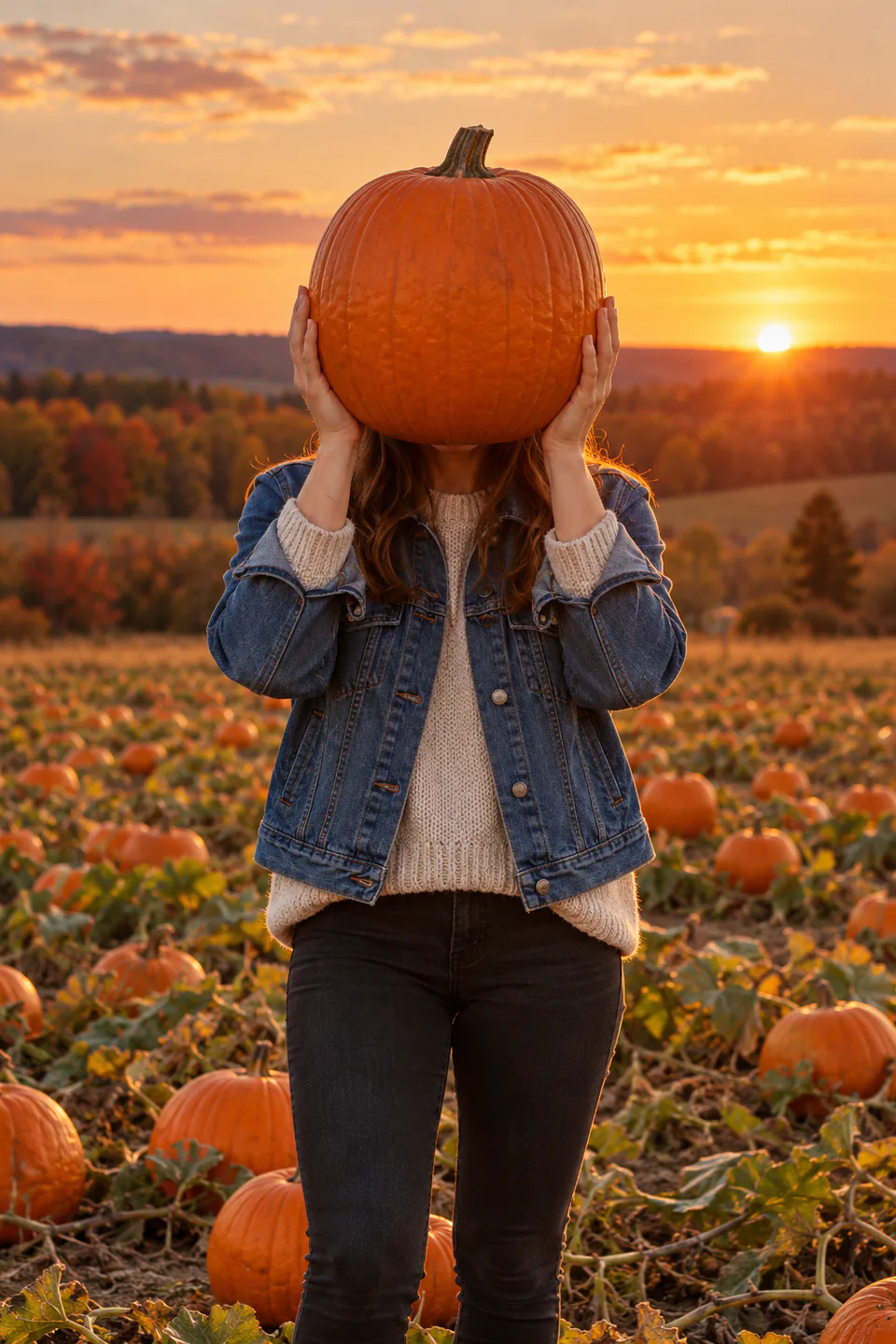
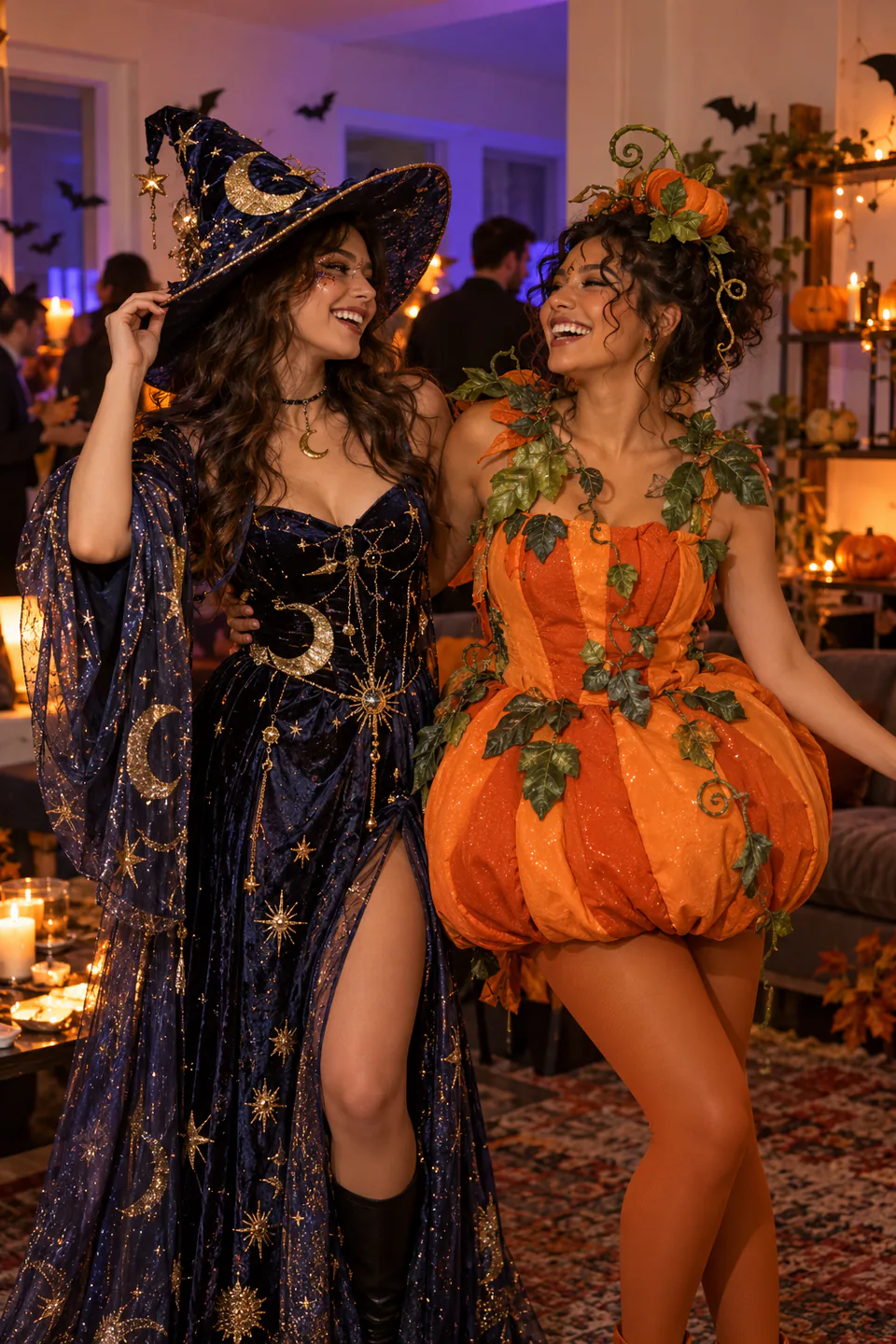
There is no single required costume. The 2025 Ghostface variation was unusually visible, but the broader AI Halloween Costume Trend includes original witches, retro monster-movie looks, skeleton makeup, pumpkin-headed portraits and coordinated group costumes. Original designs are easier to personalize and avoid turning the result into an imitation of a particular film still.
Why did AI Halloween Costume Trend spread?
Seasonal timing supplied a natural deadline. People start planning Halloween posts in September, and an image generator can produce a dramatic concept before costumes arrive in stores. The transformation is obvious in a before-and-after carousel, which makes it well suited to Stories and short video. Friends can also use a matching prompt, creating a group set without being photographed together.
The Ghostface bedroom image gave the format a recognizable early template: a glossy Y2K-style portrait with a horror figure in the background. Explainers and prompt screenshots circulated widely, lowering the effort required to copy the look. Later prompts replaced the copyrighted character with generic masked guests, witches or invented creatures, which made the underlying idea more flexible than the first viral scene.
Image quality improved at the same moment. Newer tools were better at preserving faces, matching clothing to a body and producing consistent warm lighting. Those gains mattered more here than in an abstract art trend, because the result had to look enough like a plausible costume photograph to make the reveal satisfying.
Where did AI Halloween Costume Trend come from?
Halloween camera effects are much older than generative AI. Snapchat, Instagram and other apps had offered masks, makeup and face-changing lenses for years. The newer form differs because it generates an entire still image: wardrobe, pose, background and lighting are all rebuilt around the uploaded person.
Know Your Meme traces the specific AI Ghostface photo wave to an Instagram post published on September 25, 2025. Copies and prompt guides followed as people recreated the bedroom composition. That branch belongs to the longer history of Scream imagery and should be described as a licensed fictional character rather than a generic public-domain costume.
By the following Halloween season, creators were using the same portrait-to-scene workflow for a much wider range of looks. The phrase AI Halloween Costume Trend became a useful umbrella for these related posts, even though there was no single first account behind every witch, vampire or pumpkin portrait.
AI Halloween Costume Trend timeline
- Before 2025Halloween face filters and costume lenses establish the idea of a digital costume reveal.
- Sep 25, 2025An AI Ghostface bedroom portrait helps start a widely copied prompt format.
- Oct 2025Prompt guides and before-and-after posts spread across Instagram and TikTok.
- 2026 seasonThe format broadens into original costumes, couples, groups and short transformation videos.
Popular versions of AI Halloween Costume Trend
Original costume portrait
A single person appears in a newly invented outfit and environment, with no borrowed character or franchise imagery.
Before-and-after reveal
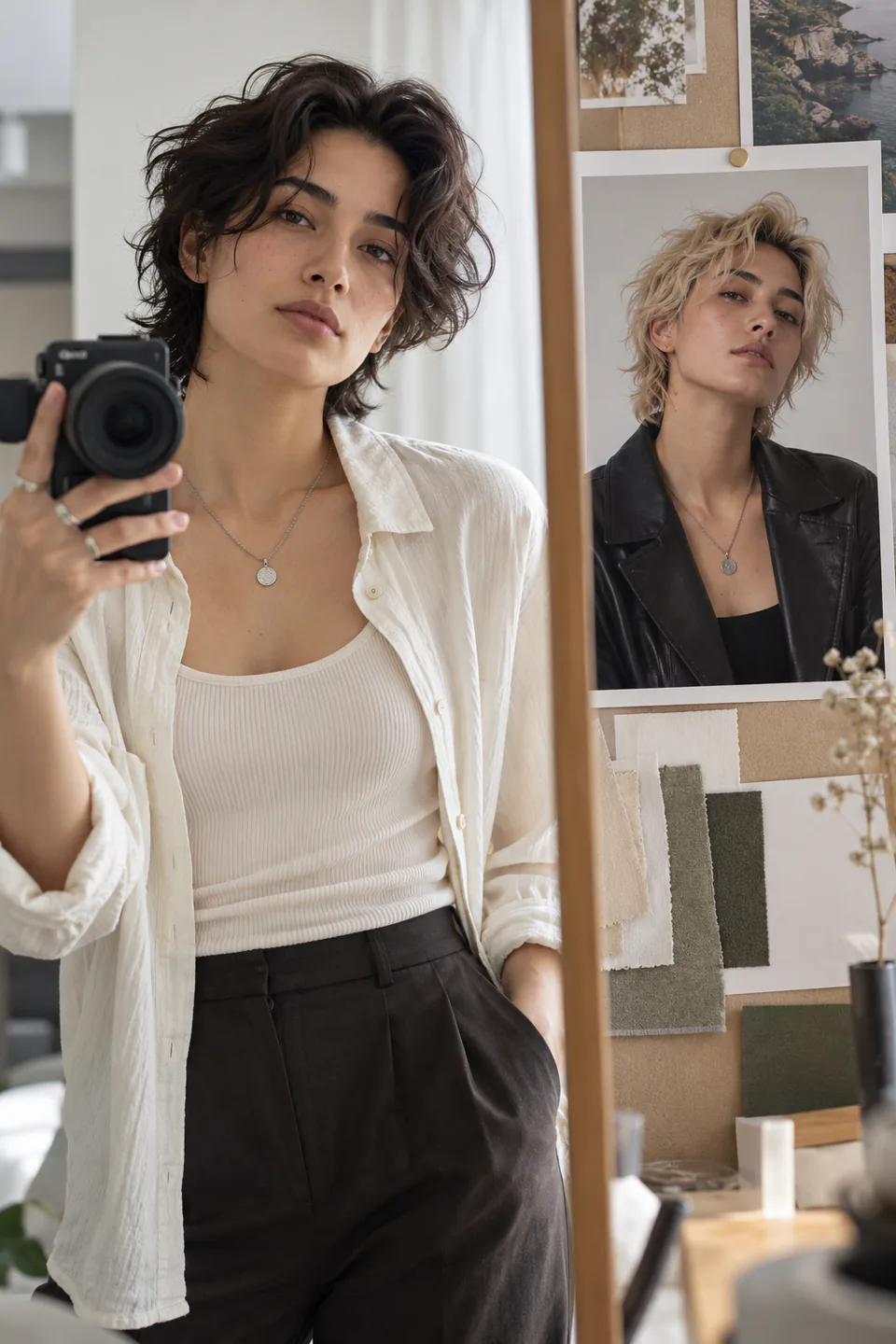
The first slide shows the source selfie; the second shows the finished costume concept so viewers can judge what changed.
Coordinated group set
Friends use related prompts and a shared palette, then arrange the results as if they attended the same fictional party.
How to join and post AI Halloween Costume Trend
- 1Start with a clear portrait that you own and describe the costume, setting, era and light instead of requesting a copy of a film frame.
- 2Check the finished image for altered skin tone, hands, jewelry and facial details before sharing it.
- 3Pair the generated result with the original photo when the transformation itself is the point of the post.
- 4Add an AI label whenever a realistic image could be read as a genuine costume, event or photograph.
Sources and further reading
Questions about AI Halloween Costume Trend
What is the AI Halloween Costume Trend?
It is a portrait trend that uses generative image tools to place a person in a Halloween costume and setting that were not photographed in real life.
Is it the same as a camera filter?
No. A filter usually overlays or reshapes a live camera image; a generator can rebuild the clothes, pose, room and light as a new picture.
Did the trend begin with Ghostface?
Ghostface was a major 2025 variation, but digital Halloween costumes and filters existed earlier, and the broader trend now covers many original looks.
Should an AI costume photo be labeled?
Yes when it looks realistic. A clear label prevents viewers from treating a generated costume or event as documentary photography.
Can groups take part without one group photo?
They can create separate portraits with a consistent visual brief, although each person should approve use of their own photo.
Which AI Halloween costume looks can I try?
The AI Halloween Costume Trend maker offers Midnight Braids, Velvet Vampire, Forest Witch, Skeleton Makeup, Haunted Unicorn Mascot, Halloween Robot and Cosmic Princess. Each look is designed for one person.
Can I try an AI Halloween costume from one photo?
Yes. Upload one clear photo of one person, choose a costume look, then make a 9:16 image or a 12-second reveal video.
Can I make an image or a video with this trend?
Yes. Available formats are image and video.
How many credits does this meme generator use?
The available template costs are image: 5, video: 10 credits.