MEME FIELD NOTES
Hug Your Younger Self AI Trend
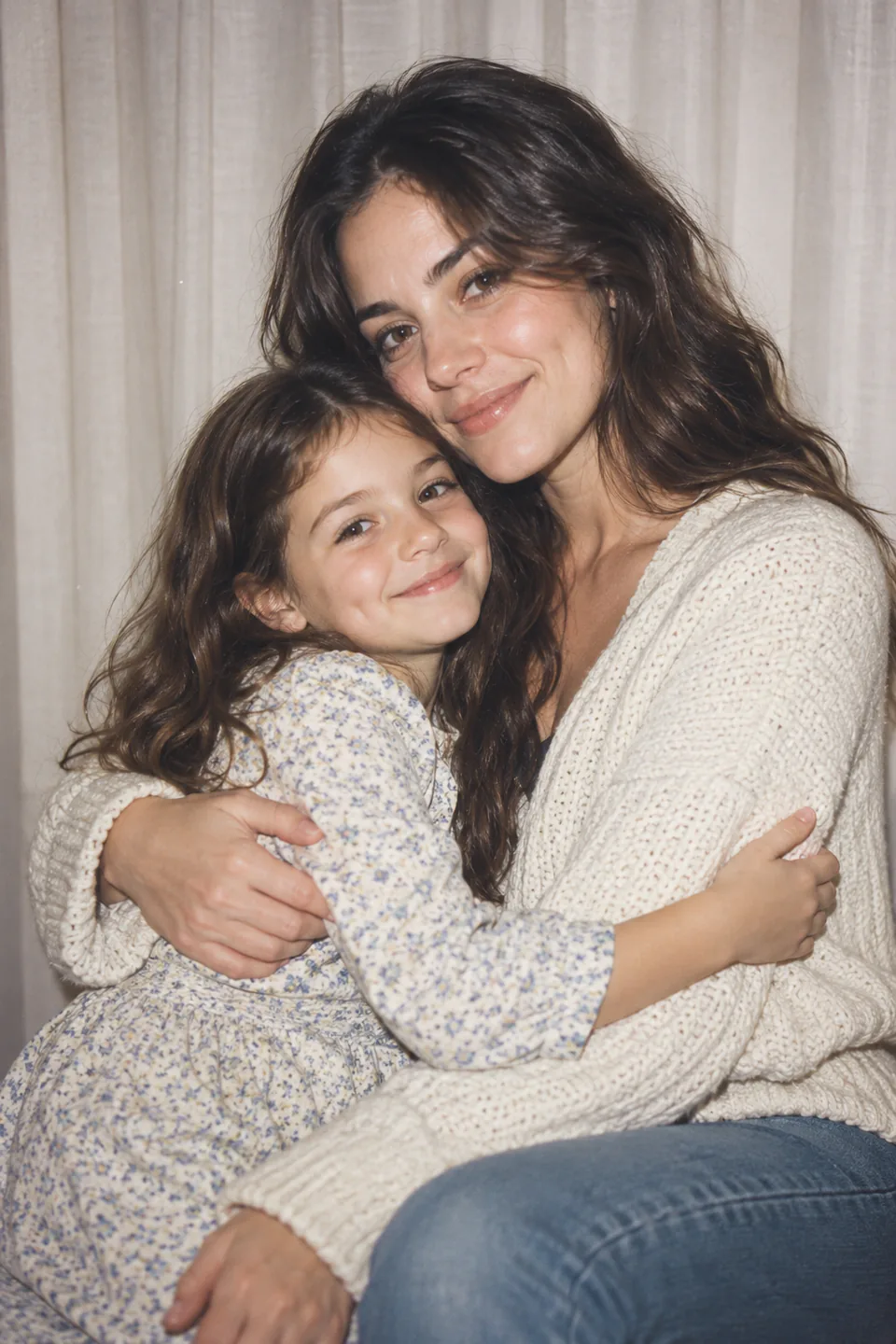
An adult and childhood self meet in a faded Polaroid-style embrace made from personal photographs.
Also known as: Hug my younger self · AI Polaroid hug · inner child AI trend
TL;DR
The Hug Your Younger Self AI Trend combines a current portrait and a childhood photograph into a new image of the two selves embracing. The best-known 2025 version looks like a faded instant photo taken in front of light curtains. It spread strongly in India during the early Nano Banana boom, alongside retro saree and figurine images. People use it for nostalgia, self-compassion, birthdays and grief, though the generated meeting never occurred and should be labeled accordingly.
What does Hug Your Younger Self AI Trend mean?
A Hug Your Younger Self image is a message across time. The adult body reassures the child, while the child makes the adult’s history visible. Captions often address fear, survival, family change or the distance between an early ambition and the life that followed.
Some posts connect the picture to “inner child” language and personal healing. That interpretation can be meaningful, but a generated image is not therapy and should not be presented as a clinical exercise. Other users simply enjoy seeing two recognizable ages share one frame.
The faded Polaroid treatment helps the fiction feel like a family object rather than a polished advertisement. White curtains, soft flash and slight blur are conventions of the viral prompt, not evidence that the two photographs were taken together.
Why did Hug Your Younger Self AI Trend spread?
The input is already emotionally valuable. Most people have at least one childhood photograph and a recent portrait, so the finished image begins with a personal archive rather than a random prompt. Family members can immediately judge the resemblance and remember the older picture.
The trend arrived during intense interest in Google’s Nano Banana image-editing model in India. News reports described rapid Gemini adoption and a series of recognizable portrait formats. Prompt text passed through Stories, WhatsApp groups and explainers, making the curtain-and-Polaroid look easy to repeat.
The format also adapts to calendar moments. Birthdays, graduations, anniversaries and Valentine posts give people a reason to return to it after the original search peak. Short animations can make the younger self smile or move, although motion increases the chance of identity distortion.
Childhood photographs can contain more private information than a current selfie: school uniforms, house interiors, handwritten dates and relatives who never agreed to be uploaded. Cropping and checking the service’s retention policy should happen before generation, not after the image goes viral. The same care applies to captions about grief or trauma. A creator can describe what the picture means to them without presenting an invented embrace as recovered memory or asking viewers to diagnose their past. The emotional truth and the factual status of the image can coexist. Saving an untouched scan separately also prevents the synthetic version from replacing the family original in a personal archive.
Where did Hug Your Younger Self AI Trend come from?
No single first creator has been verified. Search and reporting place the major wave in India around September 15–17, 2025. Several Indian outlets published explainers on September 16, while TechCrunch reported the wider local Nano Banana craze on September 17.
Google had added the image-editing model commonly called Nano Banana to Gemini in late August 2025. Its ability to blend several reference images while retaining faces made the two-age composition practical for ordinary users.
Early prompts requested a Polaroid look, slight blur, flash-like lighting, light curtains and unchanged faces. Some tools generated the child from one adult photo, but the more personal version uses a real childhood image and should say which method was used.
Hug Your Younger Self AI Trend timeline
- Aug 26, 2025Google expands Gemini image editing with the model widely known as Nano Banana.
- Sep 15, 2025Search interest for hugging a younger self begins rising, led by India.
- Sep 16–17, 2025Indian explainers and technology coverage document the prompt and its rapid spread.
- Late Sep 2025 onwardAnimated hugs, family variants and later seasonal versions extend the format.
Popular versions of Hug Your Younger Self AI Trend
Two-photo Polaroid hug
A current portrait and genuine childhood photo are combined in front of light curtains with faded instant-film styling.
Generated child version
The tool invents a younger likeness from one adult portrait; captions should not describe that child as a real archival image.
Animated reunion
A still composition becomes a brief clip in which the two selves smile, turn or complete the embrace.
How to join and post Hug Your Younger Self AI Trend
- 1Choose a childhood photo with a large, unobstructed face and photograph old prints flat in soft daylight without glare.
- 2Use a current portrait with a similar camera angle, then inspect whether the result preserves both ages without changing skin tone or key features.
- 3State whether the child came from a real childhood photo or was invented from the adult image.
- 4Label the reunion as AI-generated and keep private family photographs out of services whose retention policy you do not understand.
Sources and further reading
Questions about Hug Your Younger Self AI Trend
What is the Hug Your Younger Self AI Trend?
It is a generated picture or video of an adult embracing a childhood version of themselves.
Where did the trend become popular?
The main September 2025 wave was strongest in India and spread through Instagram, WhatsApp and TikTok.
Which tool was associated with it?
Many viral examples used Google Gemini’s Nano Banana image-editing model.
Does it require a real childhood photo?
Not always. Some versions use two real photos; others generate a child likeness from the adult portrait.
Why does it look like a Polaroid?
The widely copied prompt requested faded instant-film color, slight blur, flash-like light and pale curtains.