MEME FIELD NOTES
AI Zombie Trend
A miniature zombie love story ends with recognition, a lowered weapon and a hug instead of an attack.
Also known as: zombie couple video · My Beloved Zombie · would you love me as a zombie
TL;DR
The AI Zombie Trend is a short synthetic story in which one person has turned into a zombie and the other cannot bring themselves to hurt them. The survivor raises a weapon, recognizes the person underneath the horror makeup, lowers it and accepts a hug; many versions then cut to a warm memory of the pair. Couples led the format, but friends, parents and pets soon appeared. Templates called “My Beloved Zombie” helped it spread around the start of October 2026, just as Halloween posts were accelerating.
What does AI Zombie Trend mean?
The AI Zombie Trend turns a familiar horror choice into a sentimental answer. In a conventional zombie scene, hesitation creates danger. Here hesitation is the point: recognition survives the transformation, so the weapon never fires and the frightening figure is still treated as somebody loved. The format often accompanies the question “Would you still love me if I were a zombie?”
That question is a darker cousin of “Would you still love me if I was a worm?”, the deliberately impossible relationship test that spread from a 2019 tweet. Both questions ask for reassurance through absurdity. The zombie video supplies a complete answer without dialogue: yes, even after the apocalypse, the person knows you.
It can be sincere or deliberately overdone. A couple may use it as an earnest relationship post; best friends may play the melodrama for laughs. Pet versions replace the gun with a less threatening object and make the transformed animal sad rather than violent. Successful versions keep the scene non-graphic, because gore would change a tender joke into straightforward horror.
Why did AI Zombie Trend spread?
The story has a clean sequence that fits a very short clip: reveal, threat, recognition, embrace, memory. Viewers do not need a caption to follow those beats. A slow piano or string track can make the twelve-second arc feel much larger than it is, while the final sunny memory gives the edit an obvious emotional landing.
Templates removed the hard part. Early guides asked for two clear portraits and generated the ruined city, zombie makeup and camera movement around them. A CapCut tutorial for a “My Beloved Zombie” template drew millions of plays according to contemporary tracking, and tutorials appeared in several languages within a week.
Timing added urgency. The AI Zombie Trend arrived in late September, close enough to Halloween to fit seasonal feeds but personal enough to outlast costume posts. People could choose a partner, parent, friend or pet, so it did not belong only to couples.
Where did AI Zombie Trend come from?
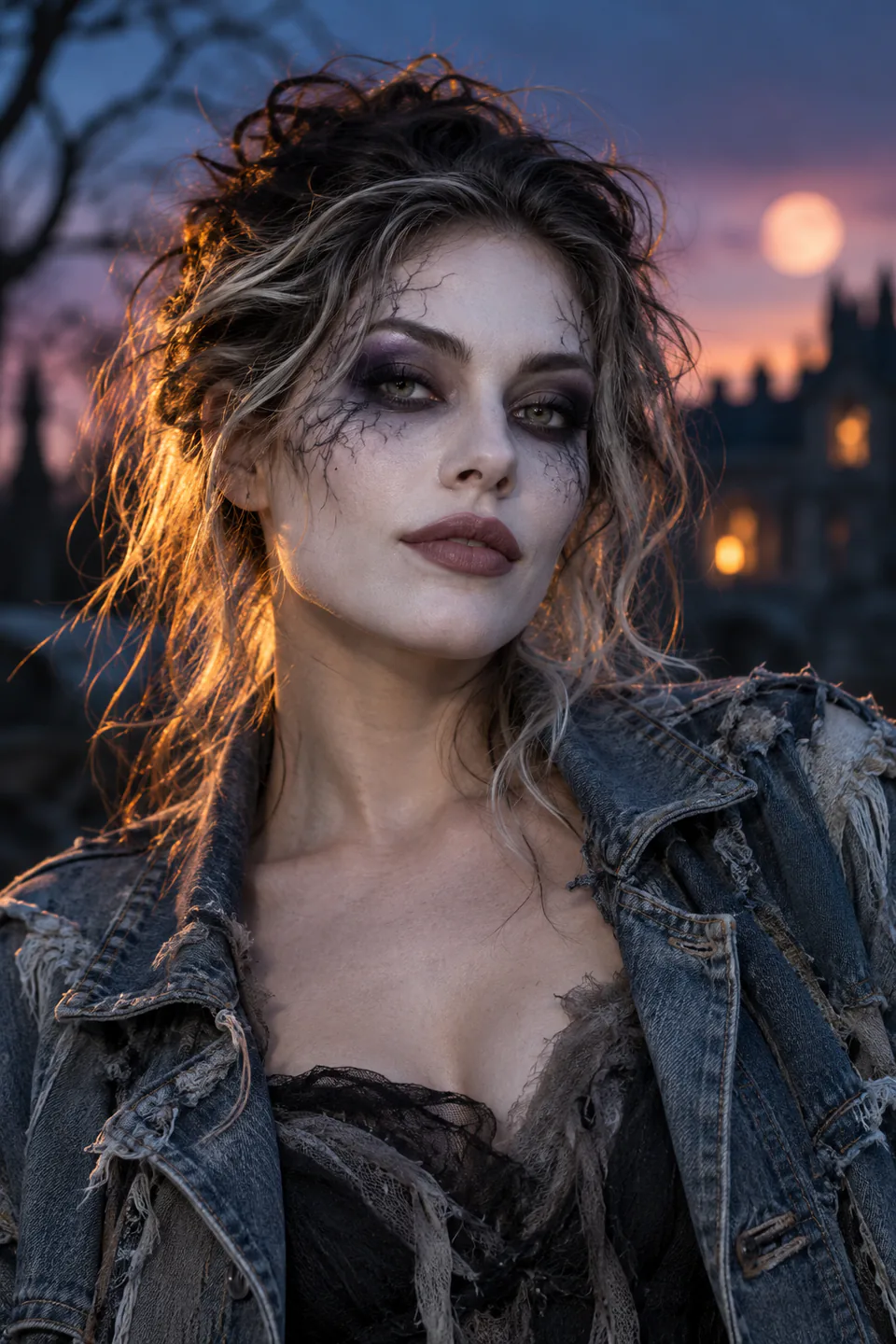
No reliable source credits a single person with inventing the zombie love-story sequence. It grew out of two existing streams of synthetic video: AI hug clips that reunited people or pets, and short zombie transformations that tested whether video models could keep a face recognizable under heavy makeup.
The first documented cluster of remakes and tutorials appeared at the end of September 2026. On October 1, a tutorial using the name “My Beloved Zombie” helped establish the exact order of shots. By the next day, posts were pairing the story with the on-screen question about still loving somebody as a zombie.
Different apps reproduced the sequence, including template-driven editors and image-to-video services. That means “the original” often refers to the story template rather than one definitive video. The consistent elements are two known subjects, one transformation, a moment of refusal and the embrace.
AI Zombie Trend timeline
- Late Sep 2026Zombie love-story remakes begin appearing on TikTok and Instagram.
- Oct 1, 2026A “My Beloved Zombie” template tutorial draws a large audience and standardizes the short narrative.
- Oct 2, 2026The caption “Would you still love me if I were a zombie?” becomes closely tied to the format.
- Early Oct 2026Friend, parent and pet versions appear alongside the dominant couple edit.
Popular versions of AI Zombie Trend
The couple reunion
One partner is the survivor and the other the zombie; after the weapon drops, the edit flashes back to a warm memory of them together.
Pet zombie story
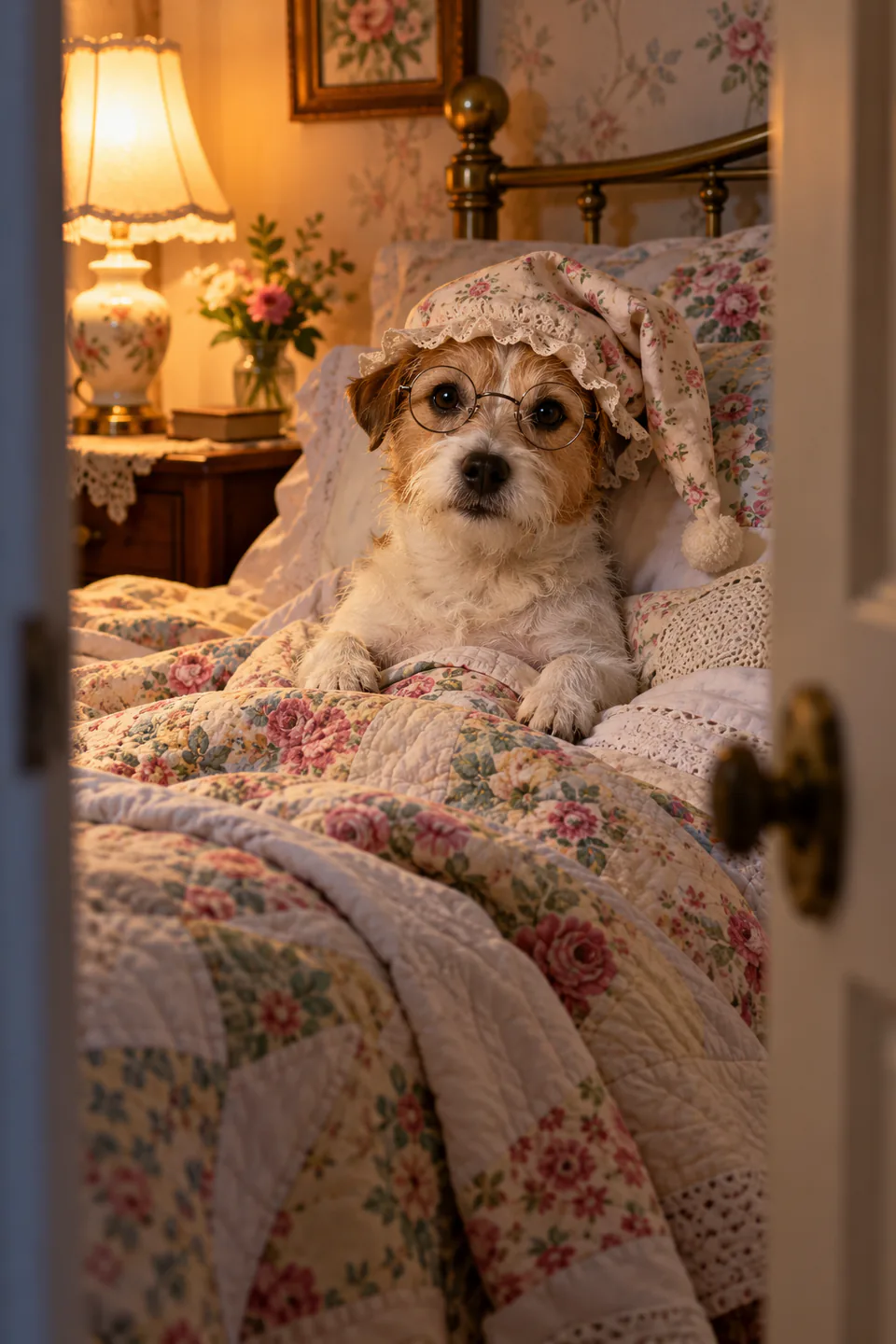
A dog or cat becomes the transformed character, with the scene adjusted to stay playful, non-graphic and recognizably about the same animal.
Friends or family
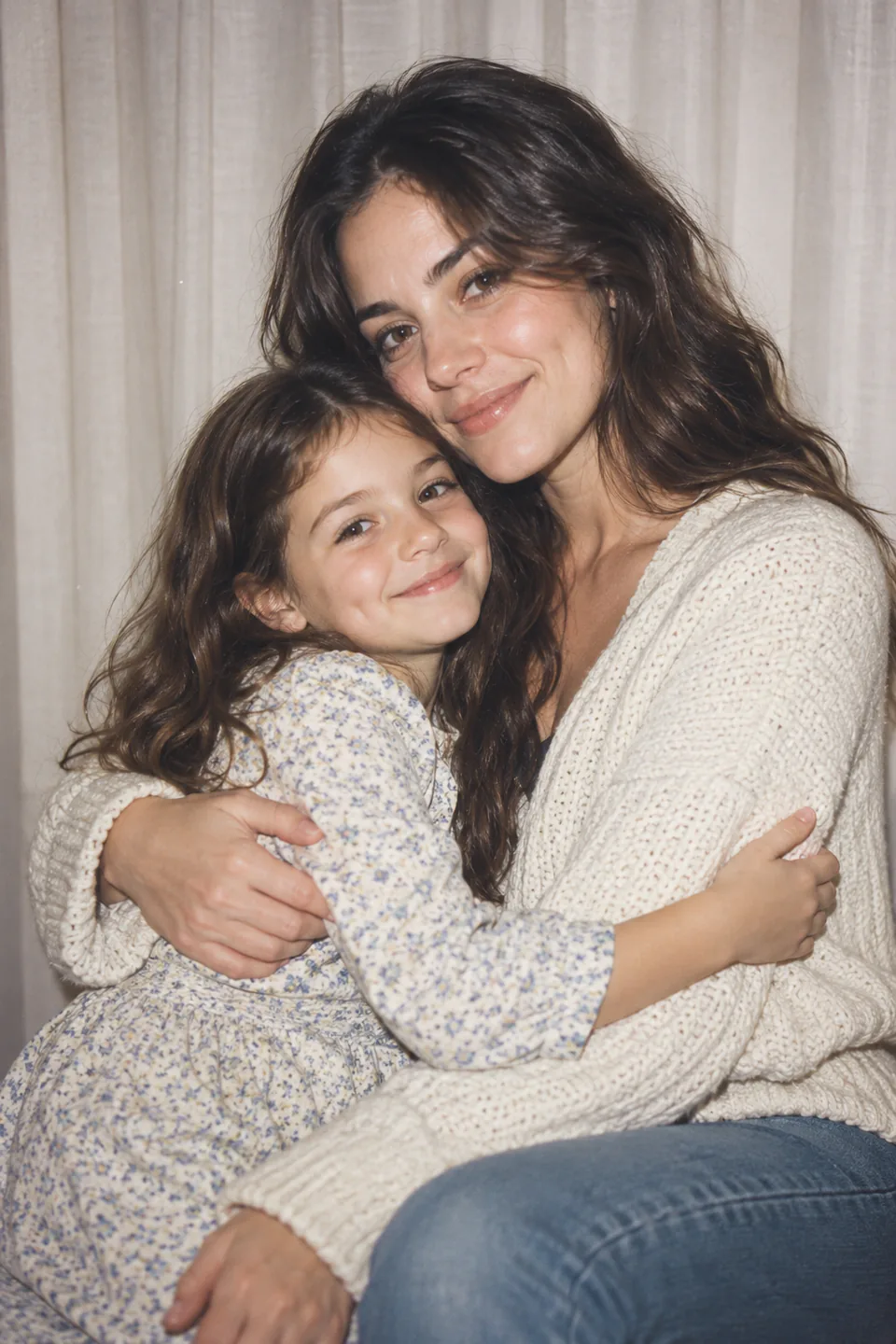
The romantic caption is replaced with a line about choosing a best friend, parent or adult child in every lifetime.
How to join and post AI Zombie Trend
- 1Use clear images of consenting subjects and decide in advance who plays the survivor and who transforms.
- 2Keep blood, wounds and realistic violence out of the edit; recognition and the hug are the story.
- 3Use a short caption that adds context instead of describing every shot, and ask the other person before posting.
- 4Mark the clip as AI-generated, especially when the faces are realistic or the subjects are recognizable.
Sources and further reading
Questions about AI Zombie Trend
What is the AI Zombie Trend?
It is a short AI video where a survivor cannot hurt a loved one who has become a zombie, and the scene ends in a hug or warm memory.
Where did the AI Zombie Trend start?
It emerged across TikTok and Instagram in late September 2026; no single verified first creator has been identified.
Why does it ask about loving a zombie?
The line adapts the older “Would you still love me if I was a worm?” relationship joke into a cinematic horror scenario.
Is the trend supposed to be gory?
Usually not. Its emotional turn depends on refusing violence, and popular template guides emphasize a non-graphic result.
Can the AI Zombie Trend feature a pet?
Yes. Pet variations became common, with the animal transformed and the threatening part softened or removed.